
"Ethiopian coffee production"
6000 article(s) found

Introduction to the flavor and taste of Ethiopian boutique coffee beans and the characteristics of the manor producing area
A large amount of coffee production (95%) is done by small shareholders, with an average yield of 561 kg per hectare. For centuries, minority holders of Ethiopian coffee farms have been producing a variety of high-quality types of coffee. The secret of producing high-quality coffee is that coffee farmers have developed the right environment through generations of repeated learning about the coffee planting process.

2020 events that Ethiopian coffee beans need to pay attention to the harvest time of coffee beans
This year is a year with a slightly smaller harvest. First of all, as far as the production season cycle is concerned, the 2019 season is a bumper harvest year, and 2020 is originally expected to be a year with a smaller harvest. But Ethiopia as a whole is a country where coffee cultivation is growing year by year, slightly making up for this disadvantage. Due to the late arrival of the rainy season, the whole production season has been postponed by more than one.

Ethiopian coffee taste, Ethiopian coffee introduction
Following Cafe (official Wechat account vdailycom) found that Beautiful Cafe opened its own shop Ethiopia is one of the major producers of African Arabica coffee, producing the best Arabica coffee in the world. It is said that coffee was first discovered by shepherds in Essekafa, and the name of coffee evolved from Kafa, so Ethiopia is still the hometown of coffee.

Introduction to Ethiopian Coffee Grade
Grade of Ethiopian coffee: Ethiopian washed coffee Yega Chuefei G1 G2 Sidamo (Yirgacheffe, Sidamo) has the highest grades 2 and 3 (G2, G3), while sun-processed coffee in eastern Ethiopia is mostly grade 4 or 5 (G4, G5). In many cases, level 4 coffee is marked as level 5 in order to reduce taxes. At present, the classification is not uniform and there are

Introduction to the unique flavor and taste characteristics of Ethiopian coffee manor
A large amount of coffee production (95%) is done by small shareholders, with an average yield of 561 kg per hectare. For centuries, minority holders of Ethiopian coffee farms have been producing a variety of high-quality types of coffee. The secret of producing high-quality coffee is that coffee growers have developed environmental conditions through generations of repeated learning about the coffee planting process.

What are the flavor characteristics of Ethiopian coffee Gemma producing areas?
Ethiopian coffee Gemma production area 1, 400~1, 800 meters above sea level, Lim continues south to reach Gemma production area. This area is the main body of Kafa Forest, specializing in bulk commercial beans, with an annual export volume of more than 60,000 to 80,000 tons, accounting for one third of Egypt's output, and is the largest production area. Gemma is sun-baked beans, which are very common in our market, also known as Ethiopian mocha, but the price is higher than

Characteristics and flavor of Ethiopian coffee beans describe how much is a cup of Ethiopian coffee in a cafe
Professional coffee knowledge exchange more coffee bean information Please pay attention to the coffee workshop (Wechat official account cafe_style) African coffee flavor characteristics: charming sour African bean flavor: Ethiopian coffee has a strong orange flavor, Kenyan coffee has a strong berry flavor, as well as sour plum juice and grapefruit flavors, and sweet sugar cane flavor. The orange aroma of Ethiopian coffee

Coffee beans small, aromatic Ethiopian coffee beans grinding degree roasting degree processing method brief introduction
The world-famous Ethiopian coffee mainly includes: 1. Limu coffee grows between 1400 meters and 2000 meters above sea level. washed coffee. Excellent quality, with intense nutty aromas, moderate acidity and wine intensity. Annual production of 29,000 tons. Gima coffee grows between 1400 and 1800 meters above sea level. Sunburn coffee. Slightly sour, nutty and long finish. annual output of

Introduction to the characteristics of Ethiopian Coffee Flavor Manor
In February 1977, Lieutenant Colonel Mengistu Haier Maryam (MENGISTU HAILE MARIAM) launched a military coup and served as Chairman of the interim military Administrative Council and head of State. In 1979, the Ethiopian Labor people's Party Organization Committee, dominated by soldiers, was established to implement an one-party system. In 1984, the Ethiopian Workers' Party was formed according to the Soviet Communist Party model. Mengistu, September 1987

Ethiopian Coffee Flavor Description Grind Characteristics Variety Producing Area Taste Boutique Coffee Introduction
Ethiopian coffee grade: Ethiopian washed coffee Yirgacheffe G1 G2 Sidamo (Yirgacheffe, Sidamo) the highest grade is second and third grade (G2, G3), the eastern part of Ethiopia sun processing coffee is mostly fourth or fifth grade (G4, G5). In many cases, fourth-grade coffee is labeled as five-grade in order to reduce taxes. The current classification is not very uniform, there are

Ethiopian Coffee producing areas distribute Ethiopian Coffee beans stories Ethiopian Coffee
Professional coffee knowledge exchange more information on coffee beans Please follow the coffee workshop (Wechat official account cafe_style) Coffee first discovered that the Kafa continent in southern Ethiopia was located in the place name Kaffa, and it was not officially named after Coffee until the 18th century. The geographical environment of Ethiopia is very suitable for coffee growth. nowadays, coffee is mainly grown between 1100 meters and 2000 meters above sea level.
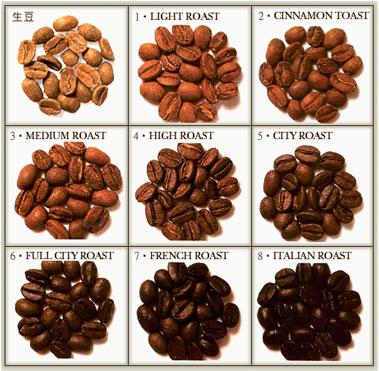
Natural fermented Ethiopian coffee flavor, characteristics, taste and estate
Ethiopia is blessed with natural conditions for growing all conceivable varieties of coffee. Ethiopia's coffee beans are mainly grown as highland crops in areas with altitudes of 1100-2300 meters above sea level, roughly distributed in southern Ethiopia. Deep soil, well-drained soil, weakly acidic soil, laterite and soft soil containing

Edido Ediot Cooperative African Yega Sheffield Ethiopian Coffee
Yega Xuefei is a small town, 700-21000 meters above sea level, synonymous with Ethiopian boutique coffee. It has been a wetland since ancient times. The ancient saying "Yirga" means to settle down and "Cheffe" means a wetland. The mode of production and flavor of coffee here are so outstanding that Ethiopian coffee farmers compete to take pride in the flavor of their coffee, and thus become Africa.

Haru Cooperative Gedeo- Yega Sheffield Ethiopian Coffee
Yega Xuefei is a small town, 700-21000 meters above sea level, synonymous with Ethiopian boutique coffee. It has been a wetland since ancient times. The ancient saying "Yirga" means to settle down and "Cheffe" means a wetland. The mode of production and flavor of coffee here are so outstanding that Ethiopian coffee farmers compete to take pride in the flavor of their coffee, and thus become Africa.

Ethiopian coffee Starbucks Ethiopian coffee appearance
Professional coffee knowledge exchange more coffee bean information please follow the coffee workshop (Wechat official account cafe_style) since the 1960s, coffee began to move from fast food products to quality products. Starbucks added experience attributes to the functional attributes of its products, expanding from 1000 stores to 13000 stores in the 10 years from 1997 to 2007. The third coffee around 2003

Ethiopian Coffee Bean grading Standard-explanation of Ethiopian Coffee Bean Export auction process
Professional coffee knowledge exchange more coffee bean information Please follow the coffee workshop (Wechat official account cafe_style) the evaluation criteria of Ethiopian coffee beans were formulated with the assistance of the American Fine Coffee Association (SCAA) (why can't Ethiopia, as the home country of coffee, be independent? Yeah! Think about it)-Egypt fully implemented the central auction system in 2008.
Flavor, characteristics, taste and manor introduction of naturally fermented Ethiopian coffee
Ethiopia has unique natural conditions suitable for growing all imaginable varieties of coffee. As a upland crop, Ethiopian coffee beans are mainly grown in areas between 1100 and 2300 meters above sea level, roughly distributed in southern Ethiopia. Deep soil, well drained soil, weakly acidic soil, laterite and soil are soft and contain

Unique Ethiopian Coffee Estate Boutique Coffee Bean Cultivation Location Climate Sea
Ethiopia is home to Arabica coffee, and it is in the forests of the Ethiopian Kaffa region that you can see Arabica coffee growing wild. In Ethiopian, coffee is called Bun or Buna, and coffeebean may be translated from Kaffa Bun. Arabica coffee was discovered early in the Harar area and is likely to come
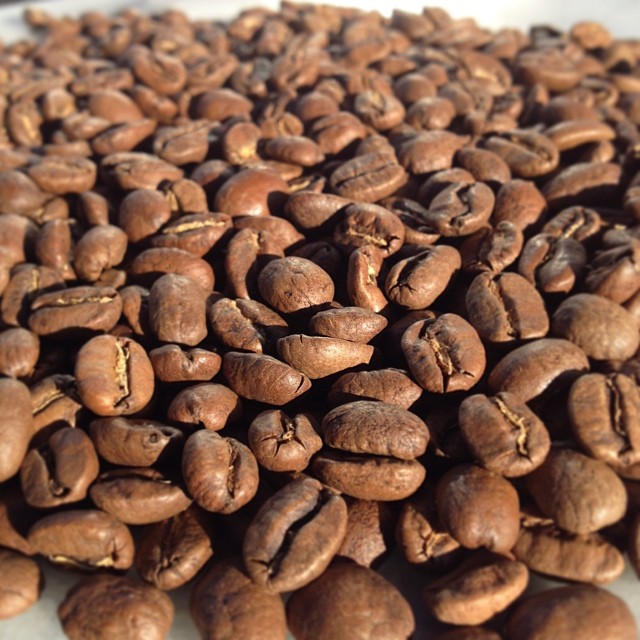
Natural fermentation and Solar Ethiopian Coffee Flavor, characteristics, texture and Manor introduction
Ethiopia has unique natural conditions suitable for growing all imaginable varieties of coffee. As a upland crop, Ethiopian coffee beans are mainly grown in areas between 1100 and 2300 meters above sea level, roughly distributed in southern Ethiopia. Deep soil, well drained soil, weakly acidic soil, laterite and soil are soft and contain

Natural fermented and mellow Ethiopian coffee flavor, characteristics, taste and manor introduction
Ethiopia has unique natural conditions suitable for growing all imaginable varieties of coffee. As a upland crop, Ethiopian coffee beans are mainly grown in areas between 1100 and 2300 meters above sea level, roughly distributed in southern Ethiopia. Deep soil, well drained soil, weakly acidic soil, laterite and soil are soft and contain